Sweet Pea: A Floral Pattern That Stitches With Quiet Confidence
As someone who’s stitched hundreds of floral patterns across apparel, home goods, and personalized gifts—most recently a batch of custom embroidered tote bags for a local boutique—I approached Sweet Pea with both curiosity and caution. Not every floral seamless pattern holds up under needle and thread. Some bloom beautifully on screen but flatten into muddy blobs after embroidery. Others feel too busy for real-world wear or too sparse to carry visual weight. Sweet Pea lands somewhere rare: soft but intentional, delicate but durable in execution.
First Impressions: Airy, Romantic—But Never Frilly
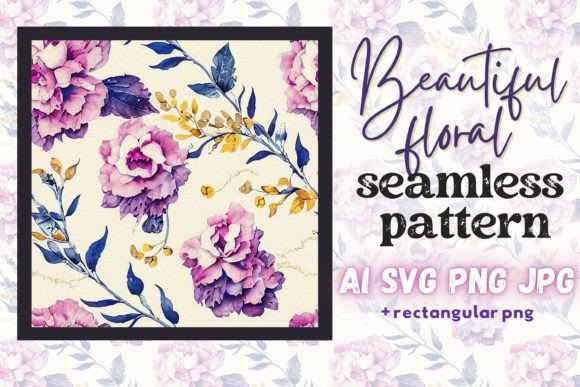
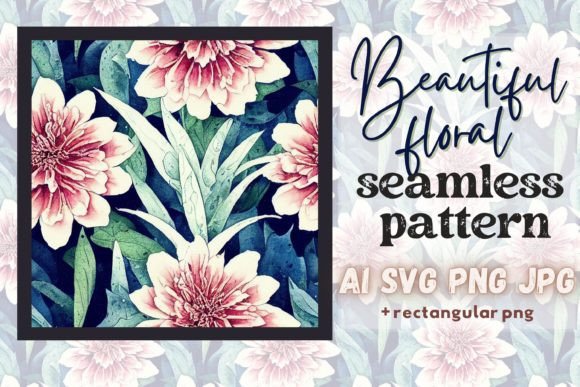
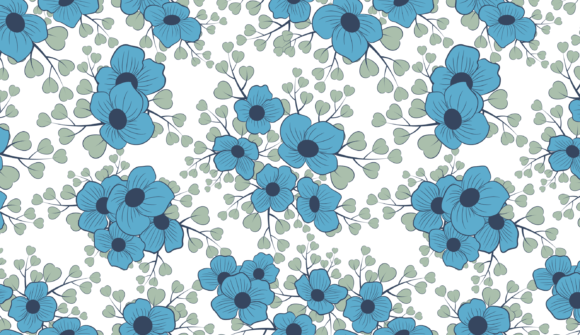
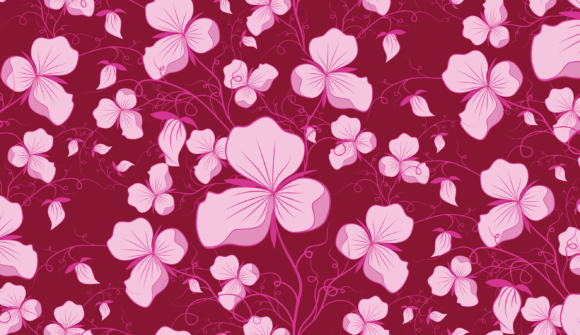
The moment you open the file, Sweet Pea reads as effortlessly cohesive. It’s not a tight bouquet or a stiff botanical illustration—it’s a gentle, half-drop seamless repeat built around the natural asymmetry of sweet pea vines. The stems curve with quiet rhythm; the blossoms tilt just enough to avoid repetition fatigue. There’s breathing room between motifs, which is critical when translating a Graphics file into actual stitchwork. Unlike many floral Patterns, this one doesn’t rely on hyper-detail to impress. Instead, it leans into shape, flow, and color harmony—making it far more forgiving on fabric than its digital elegance might suggest.
Where Sweet Pea Truly Shines (and Why Your Customers Will Notice)
I tested Sweet Pea on three very different projects: a linen tea towel, a cotton-blend baby onesie, and a structured canvas tote bag. In each case, it performed with surprising versatility—but not equally well everywhere.
- Tote bags & aprons: Ideal. The half-drop repeat flows naturally over large surfaces, and the Petal Party palette—Hot pink, Pink, Purple, Burgundy—adds warmth without shouting. On natural canvas, the contrast between soft florals and sturdy texture created instant boutique appeal. Customers paused mid-browse to touch the stitching.
- Baby items & nursery decor: Thoughtful, not cloying. Because the design avoids tiny stamens or fussy centers, it reads cleanly at small scale—even on a 4” hoop. I used it on a muslin swaddle blanket with light stabilizer and subtle fill stitches, and it felt tender, not twee.
- Sweatshirts & lounge wear: Works best on smoother fleece or French terry—not heavily brushed or napped fabric. The vine structure reads clearly, and the color range pops against charcoal or heather grey. Just avoid placing it directly over thick seams or ribbed cuffs where distortion can blur the repeat.
Where to Pause—and Test First
Sweet Pea isn’t magic. It’s a thoughtful machine embroidery design, not a universal fix. Here’s where your judgment matters most:
- Stretchy fabric (like swimwear or performance knits): Requires excellent cutaway stabilizer and possibly reduced stitch density. The half-drop repeat can shear or gap if the base fabric shifts during hooping.
- Dark or black fabric: Those burgundy and hot pink threads need strong contrast. Test your exact thread colors on scrap first—some “burgundy” polyester threads dull on black, losing the richness that makes Sweet Pea special.
- Caps & curved surfaces: The seamless layout helps, but avoid placing the full repeat across the crown. Instead, use a single motif or cropped section—otherwise, the half-drop alignment fights the dome shape.
- Tiny hoops (under 3.5”): You’ll need to isolate one blossom + stem segment. Don’t force the full repeat—it loses grace at micro-scale.
What This Means for Your Craft Business
If you’re an Etsy seller, small shop owner, or creative entrepreneur building a recognizable handmade product line, Sweet Pea supports brand consistency without demanding uniformity. Its mood—romantic but grounded, feminine but not fragile—fits everything from wedding guest favors to modern kitchen towels. I’ve seen customers respond more warmly to pieces using Sweet Pea versus busier florals, especially when paired with clean typography or minimalist packaging. It signals care—not just craft, but curation.
For commercial embroidery shops, it’s a reliable workhorse. It stitches cleanly across multiple fabric types, rarely jams needles, and scales well from 4” patches to full-panel sweatshirt backs. And because it’s built as a seamless repeat, it’s easy to adapt for digital mockups—whether you’re prepping listings for a holiday embroidery collection or building printable mockups for client approvals.
Practical Designer Notes Before You Stitch
You already know the basics—but here’s what actually matters when Sweet Pea moves from screen to stitch:
- Always test on scrap fabric matching your final project’s weight, weave, and stretch.
- Check thread color contrast—not just on white, but on your actual background fabric. Hot pink on burgundy? Gorgeous. Hot pink on navy? Might vanish.
- Review stitch density in the leafy stems—they’re elegant, but overly dense fills can pucker lightweight cottons.
- Confirm your hoop size fits the intended repeat unit. Half-drop repeats need precise alignment; mis-hooping creates visible seams.
- Inspect small details in satin-stitched petals: do they hold shape on your chosen stabilizer? If not, consider switching to a lightweight tear-away + topping combo.
- Test a black-and-white version in your design software. If the silhouette reads clearly without color, you’re golden for monochrome branding or limited palettes.
- Verify licensing before selling finished products or reselling the digital embroidery file. Seamless patterns like Sweet Pea are often licensed for personal and small business use—but terms vary.
A Pattern That Grows With You
Sweet Pea won’t dominate a garment or overwhelm a gift. It doesn’t try to be the loudest voice in the room—it’s the one people lean in to hear. That’s why it works so well on personalized gifts, boutique merchandise, and even subtle branding elements (think: embroidered logo tags or sleeve accents). It feels handmade, not mass-produced. It feels considered, not copied.
Whether you’re stitching a holiday embroidery set for your Etsy shop, designing custom apparel for a local yoga studio, or creating a keepsake pillow cover for a friend’s baby shower—Sweet Pea gives you room to breathe, room to adapt, and room to let the craft speak for itself.